


BYOD - Is it more effective?

The population where I am teaching is diverse in terms of socio-economic status. Most of my students can afford to have their laptops or Chromebooks and smartphones. Our school district follows the 1:1 ratio for student and learning devices, and because of this, students do not need to bring their devices to school for learning. The devices are accessible for our students, and if they do not have any personal gadgets, they can use their Chromebooks to work on their assignments or projects. I am fortunate to teach in a district where students have access to learning devices, but I still try to find ways to use other devices aside from their Chromebooks. I let my students use their smartphones on some projects as their gadgets have better features for image and video editing. Most of the students are more familiar with manipulating their smartphones than their Chromebooks, and companies will not be using Chromebooks in the real world. I ensure that my administrator knows my plan to let the students use their smartphones during class. Setting expectations and consequences are essential when teachers allow their students to use their smartphones. The students are held accountable for their actions, and giving them the freedom to use their devices for their work improves their sense of responsibility.

The students will be using their smartphones to take pictures and create infopic that they will use for their digital storytelling book. The students have the freedom to choose which software they will use in creating their infopic. The trend #questionsigetaskedthemost in TikTok will be used to summarize the product. Including the social media trends in a classroom, assessment is helpful to engage students in the learning process. The students can also use their smartphones to edit videos and upload them straight to class discussion posts. Our school district uses Schoology, a learning management system, and the platform is somehow identical to Facebook. For this assessment, the students can use their gadgets, usually their smartphones.
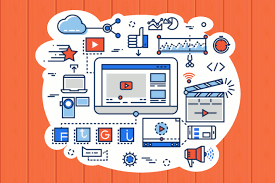
Digital storytelling is an excellent way to assess students learning. Teachers will determine the transfer of knowledge to students and the depth of understanding. Authentic assessment takes more time to grade than the traditional pen and paper test. It also takes more time for students to work on an accurate evaluation, but they will learn the concept and not forget it. The students will remember the lesson when they are assessed through projects as it provides experience to students, and they are responsible for building their knowledge. Aside from assessing the students' knowledge about the topic, teachers can use digital storytelling to assess students' digital skills, which is vital to ensure that students will be globally competitive. Digital storytelling projects can be used in an interdisciplinary curriculum, and teachers can assess the students' creative writing, digital, communication, and arithmetic skills. Authentic assessments provide students with experiential learning that helps them to improve their academic performance. The students find meaning in what they are learning, enabling them to keep engaged in the learning process.


Comments